Carbide vs. Steel: Which Plastic Film Slitting Blades Are Right for Your Budget?
May 21, 2026
When optimizing your plastic film converting line, choosing the right slitting knife is a critical decision that directly impacts both product quality and your bottom line. The debate usually comes down to two primary materials: Tungsten Carbide and Traditional Steel. But which one truly fits your budget?

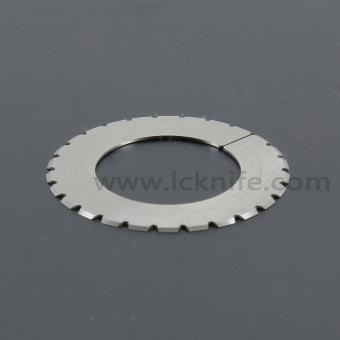
Standard steel blades (including carbon and stainless steel) offer the lowest upfront cost. They are highly flexible and sharp, making them excellent for short production runs or converting less abrasive films like standard PE. If your facility frequently changes setups or handles varied, low-volume orders, steel blades keep your initial investment minimal. However, they wear down quickly, leading to frequent downtime for blade replacements and potential risks of film stretching or burrs as the edge dulls.

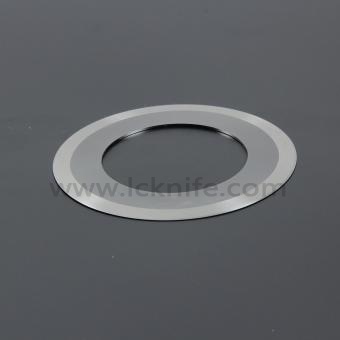
On the flip side, Tungsten Carbide slitter blades require a higher initial investment, but they are engineered for extreme durability. Carbide is incredibly hard and wear-resistant, lasting up to 20 to 50 times longer than standard steel. For high-speed, continuous operations slitting abrasive materials like BOPP, PET, or multi-layer composite films, carbide is the clear winner.

To determine which fits your budget, you must look beyond the initial purchase price and calculate the Total Cost of Ownership (TCO). While steel saves you money today, the labor costs of frequent blade changes and the financial losses from machine downtime can quickly add up. Conversely, carbide blades maximize your uptime and ensure consistent, clean cuts over millions of meters.
뉴스레터

읽어 보시기 바랍에,숙박을 게시,가입 및 오신 것을 환영합니다 우리에게 당신이 무슨 생각합니다.

메시지를 남길
Licheng
에 관심이 있다면 우리의 제품과한 자세한 내용을 알고 싶다면,메시지를 남겨주십시오 여기,우리가 응답할 것입니다 당신은 빨리 우리가 할 수 있습니다.

제품

연락처